How Good Is Your Legal English? Test Yourself with 10 TOLES Foundation Questions
How good is your Legal English? In this lesson, I work through one real demo question from each of the ten sections of the TOLES Foundation exam. Try each question before you read the answer. I then explain the vocabulary, grammar or reading skill that the question tests.
What is the TOLES Foundation exam?
TOLES means Test of Legal English Skills. The Foundation exam is designed for learners who are beginning to develop their commercial Legal English. The official demo is an online test with ten sections and 90 questions. You should allow 90 minutes.
| Feature | TOLES Foundation demo |
|---|---|
| Sections | 10 |
| Questions | 90 in total |
| Time | 90 minutes |
| Marks | 100 marks in total. Each question is worth one mark, except the questions in Section 9, which are worth two marks each. |
| Main skills | Legal vocabulary, grammar, prepositions, collocations, contract language, spelling and reading comprehension |
Because there are 90 questions and 90 minutes, your average time is only one minute per question. Some reading questions require longer, so answer shorter vocabulary questions efficiently and protect enough time for the reading sections.
The ten sections at a glance
| Section | Task | Main skill tested |
|---|---|---|
| 1 | Choose the word that does not belong in a group | Legal vocabulary and terminology |
| 2 | Identify the incorrect word in a sentence | Grammar, usage and collocation |
| 3 | Choose the sentence with the correct preposition | Prepositions and collocations |
| 4 | Read a legal case and answer true-or-false questions | Reading comprehension and vocabulary |
| 5 | Complete gaps in client file notes | Grammar and legal vocabulary |
| 6 | Match a phrase to an area of law | Legal vocabulary and legal knowledge |
| 7 | Choose a word to complete a sentence | Vocabulary and collocations |
| 8 | Choose definitions of words in a contract clause | Contract vocabulary |
| 9 | Write missing words using the first letter as a clue | Vocabulary, spelling and grammar |
| 10 | Read a case study and answer comprehension questions | Reading comprehension |
Section 1: Which word does not belong?
Note: This is what the demo looks like. The layout at the top (section in red) is what the real exam look like. Look at the four (battery, slander, trespass, statute) words in the screenshot. Which one is the odd word out?
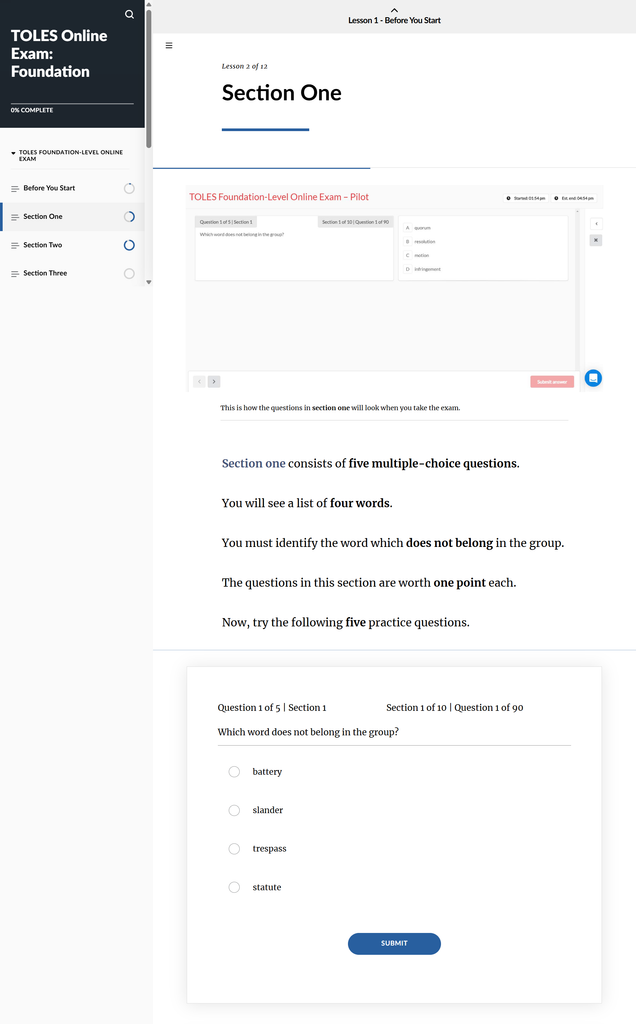
Show the answer and explanation
Answer: statute.
Battery, slander and trespass are all types of tort. A tort is a civil wrong that may allow the injured person to bring a claim and seek a legal remedy, such as damages.
| Term | Meaning |
|---|---|
| battery | The intentional and direct application of unlawful force to another person. |
| slander | A defamatory statement made in a temporary form, usually through speech. |
| trespass | Unlawful interference with another person, their land or their goods. |
| statute | A written law passed by Parliament. It is a form of legislation, not a type of tort. |
Why is statute the odd word out? The first three words refer to civil wrongs. A statute is a source of law: it is legislation enacted by Parliament.
Vocabulary tip: Learn related legal terms in groups. For example, study battery, slander and trespass under the heading law of tort, and study statute, Act of Parliament and legislation together.
Section 2: Spot the incorrect word
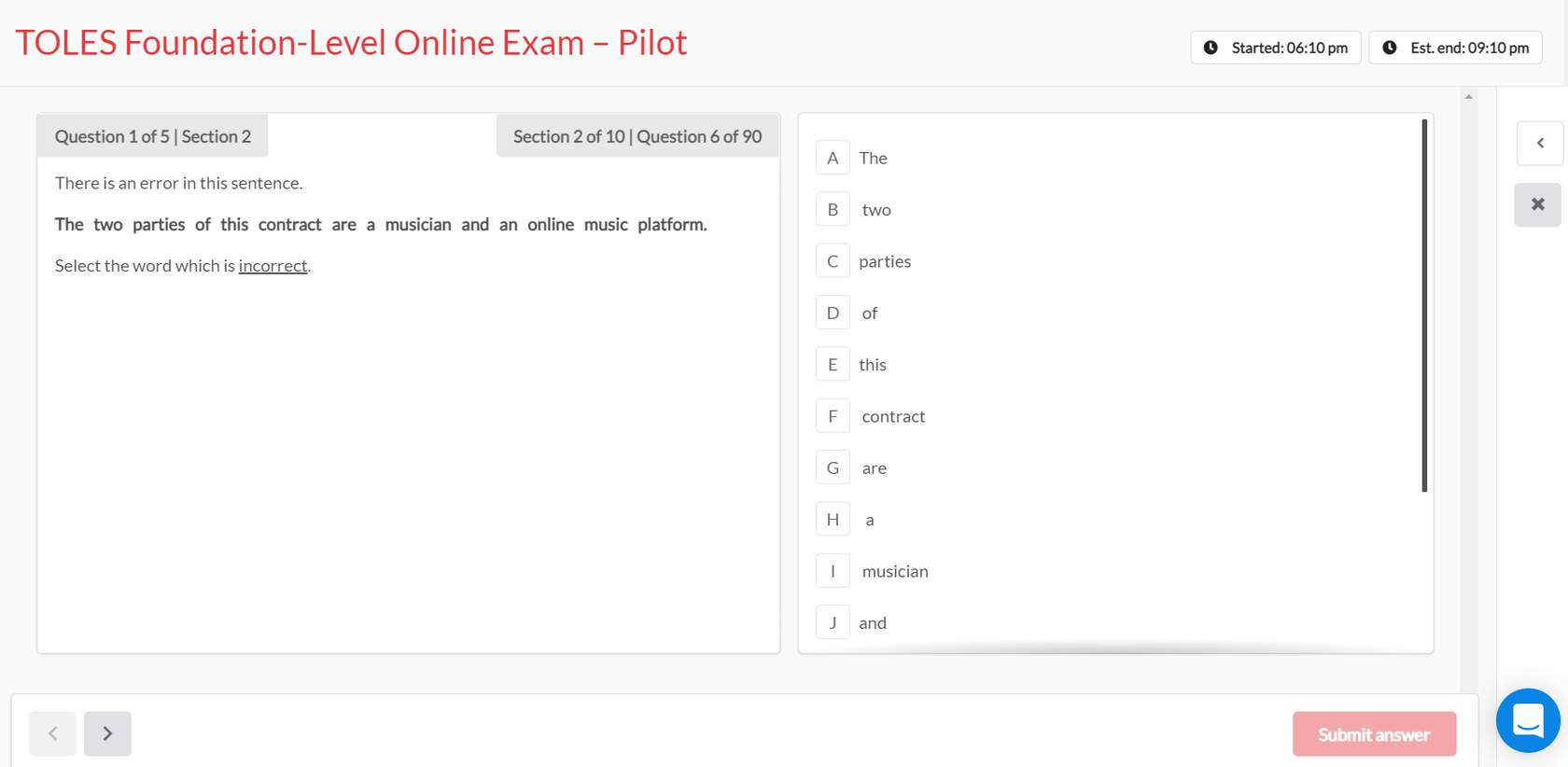
The sentence says: “The two parties of this contract are a musician and an online music platform.” Which word is incorrect?
Show the answer and explanation
Answer: of. The standard Legal English collocation is the parties to a contract, not the parties of a contract.
The two parties to this contract are a musician and an online music platform.
Learn this as a complete phrase: a party to an agreement, contract, dispute or proceedings.
Section 3: Choose the correct preposition
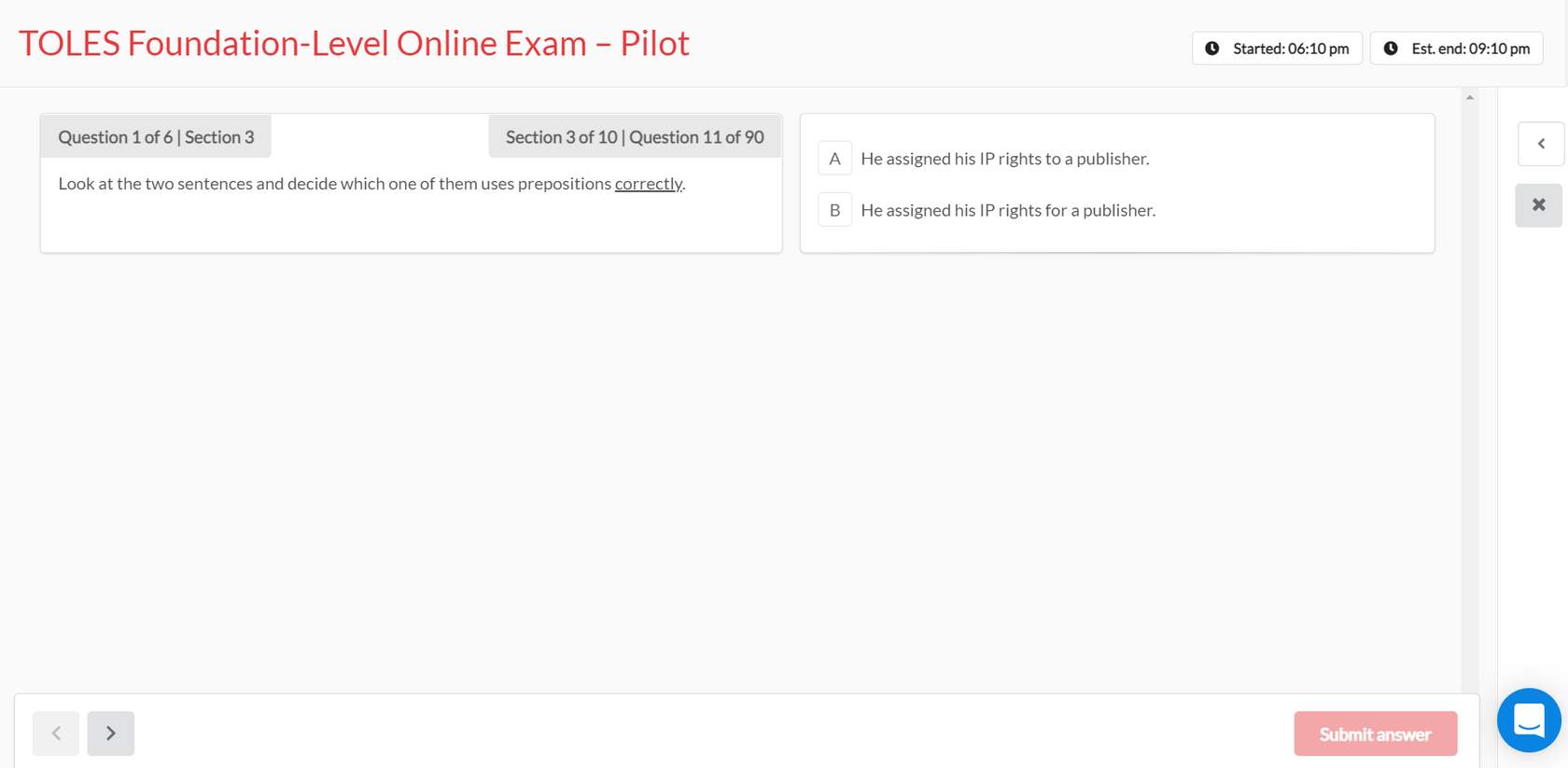
Which sentence is correct: “He assigned his IP rights to a publisher” or “He assigned his IP rights for a publisher”?
Show the answer and explanation
Answer: He assigned his IP rights to a publisher.
The pattern is assign something to someone. Here, the rights are transferred to the publisher. In contract language, you may also see assign a contract, assign a benefit and assignment of rights.
Section 4: Read a case and decide whether a statement is true or false
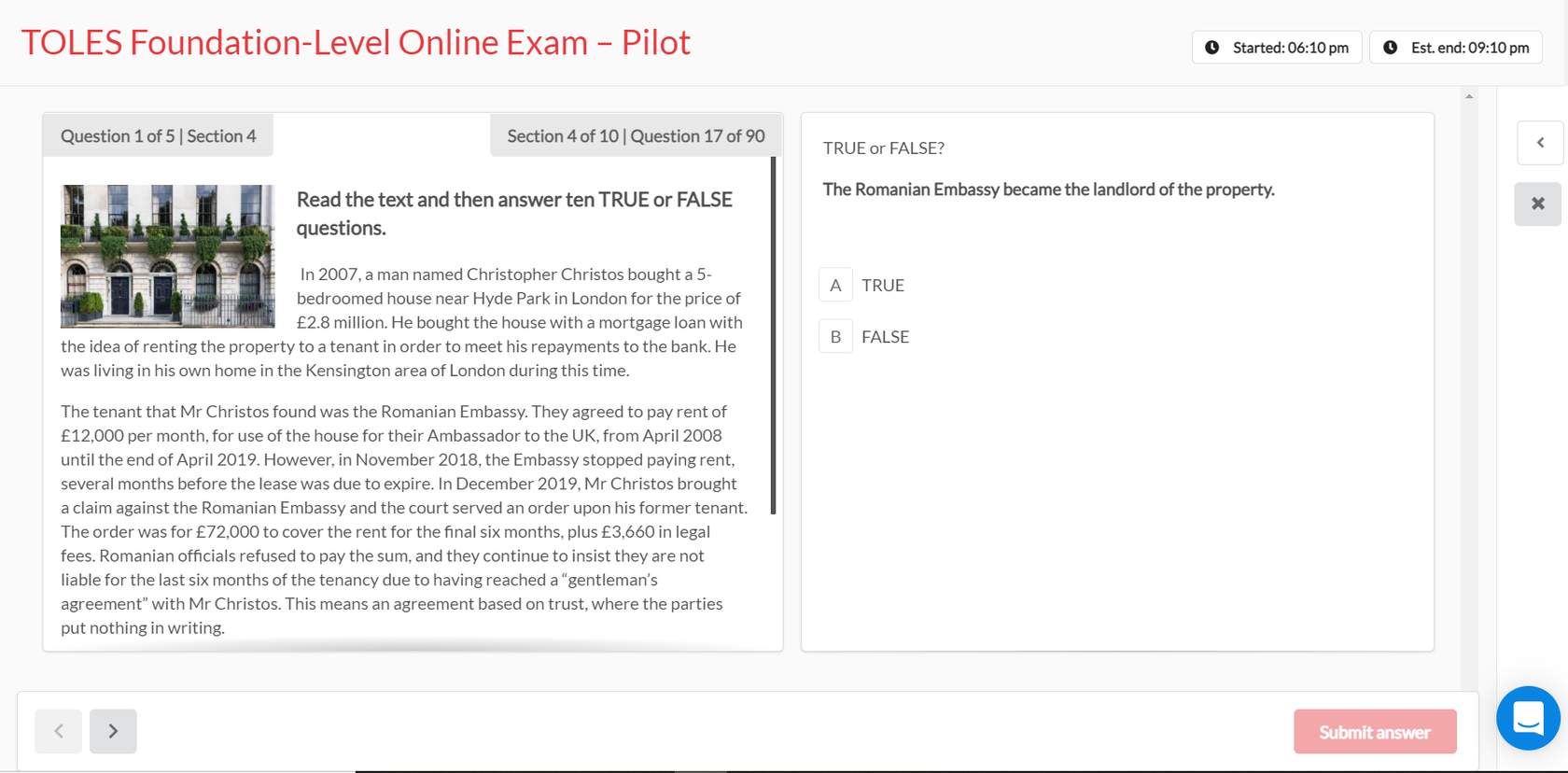
The statement is: “The Romanian Embassy became the landlord of the property.” Read the relevant part of the case study carefully.
Show the answer and explanation
Answer: false. The text says that Mr Christos found the Romanian Embassy as his tenant. The embassy rented the property, so it was not the landlord.
| Term | Meaning |
|---|---|
| landlord | A person or organisation that rents property to a tenant |
| tenant | A person or organisation that rents and occupies property |
Reading tip: find the key legal term in the question, then scan the text for that term or for a contrasting term. Here, understanding the difference between landlord and tenant gives you the answer.
Section 5: Complete client file notes
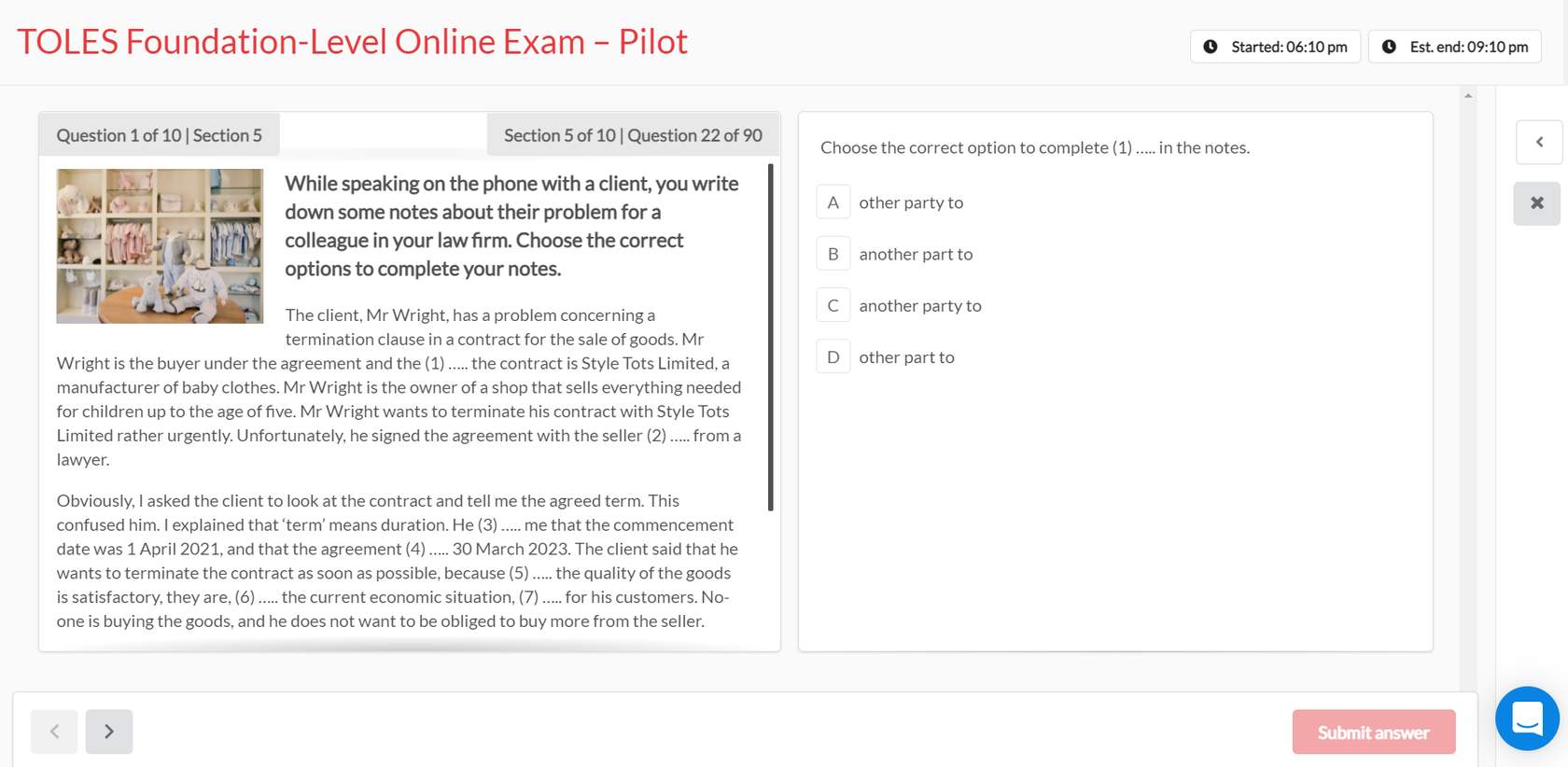
The notes say that Mr Wright is the buyer and Style Tots Limited is the missing expression. Which option completes the sentence?
Show the answer and explanation
Answer: the other party to.
Mr Wright is the buyer under the agreement and the other party to the contract is Style Tots Limited.
Party means a person or organisation that enters into a contract. Do not confuse it with part. We use the other when there are two known parties; another normally means one more or an additional one.
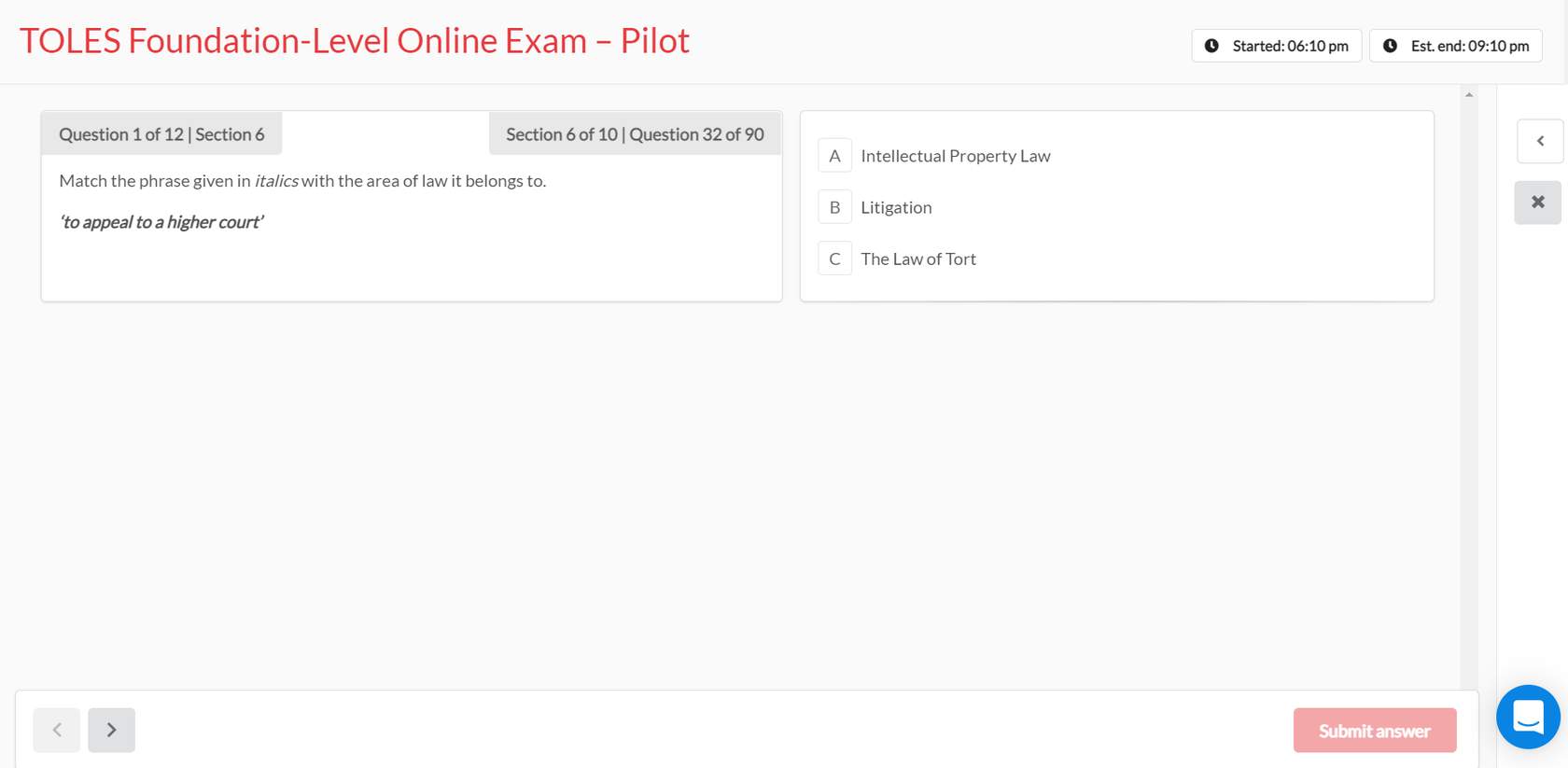
Section 6: Match the phrase to an area of law
Which area of law is most closely connected with the phrase “to appeal to a higher court”: intellectual property law, litigation or the law of tort?
Show the answer and explanation
Answer: litigation. Litigation is the process of resolving a dispute through court proceedings. An appeal asks a higher court to review a decision made by a lower court. Although an intellectual-property or tort case can be appealed, appeal to a higher court is most directly connected with litigation.
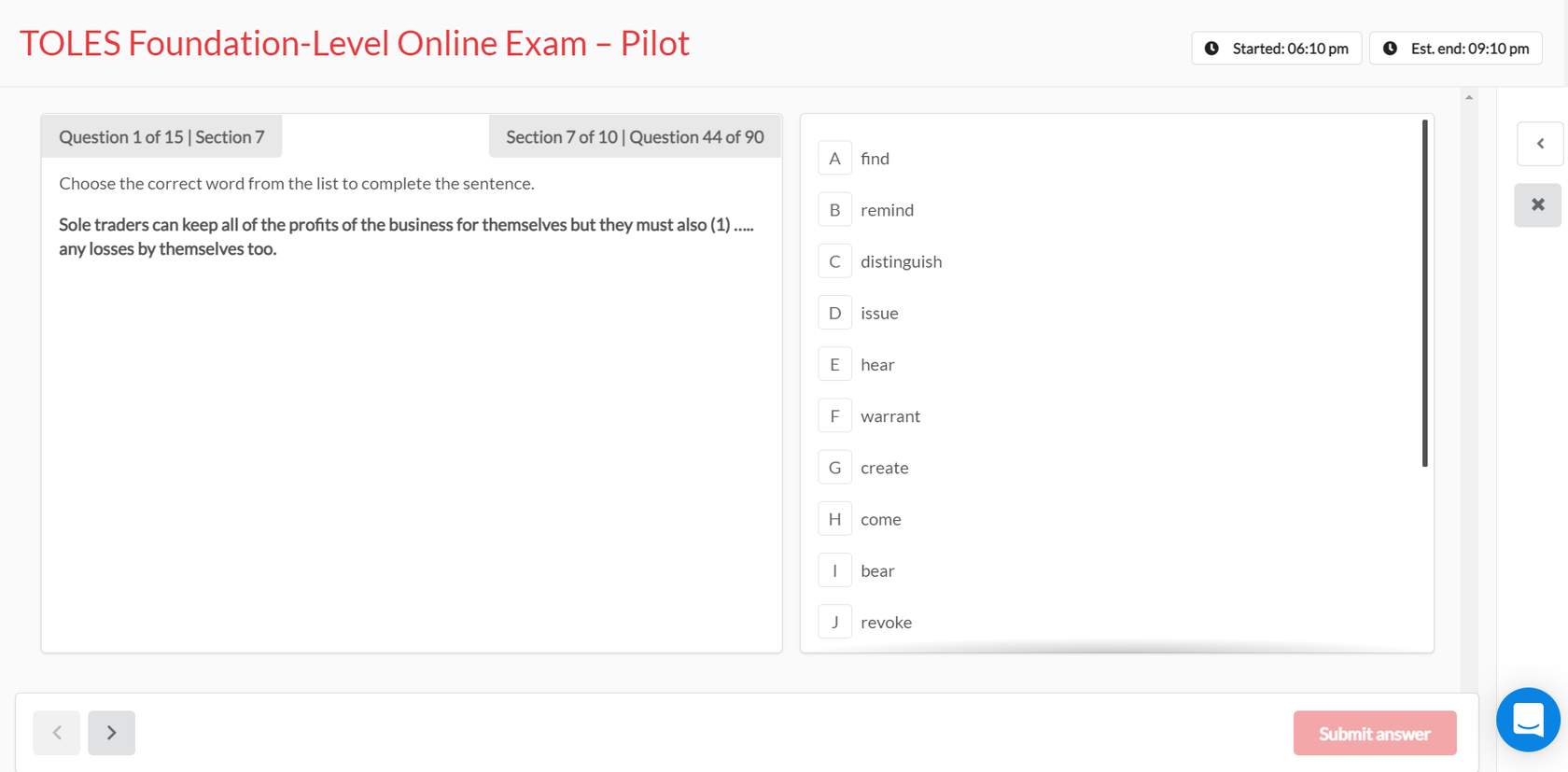
Section 7: Choose the missing word
Complete the sentence: “Sole traders can keep all of the profits of the business for themselves, but they must also _____ any losses by themselves too.”
Show the answer and explanation
Answer: bear. The collocation is bear a loss or bear losses, meaning to accept or be responsible for the financial loss.
| Collocation | Meaning | Example |
|---|---|---|
| bear a loss | be responsible for a loss if it arises | The buyer must bear any loss caused by the delay. |
| incur a loss | experience or become subject to a loss | The company incurred substantial losses. |
| make a profit | receive more money than was spent | The business made a profit in its first year. |
Section 8: Understand contract language
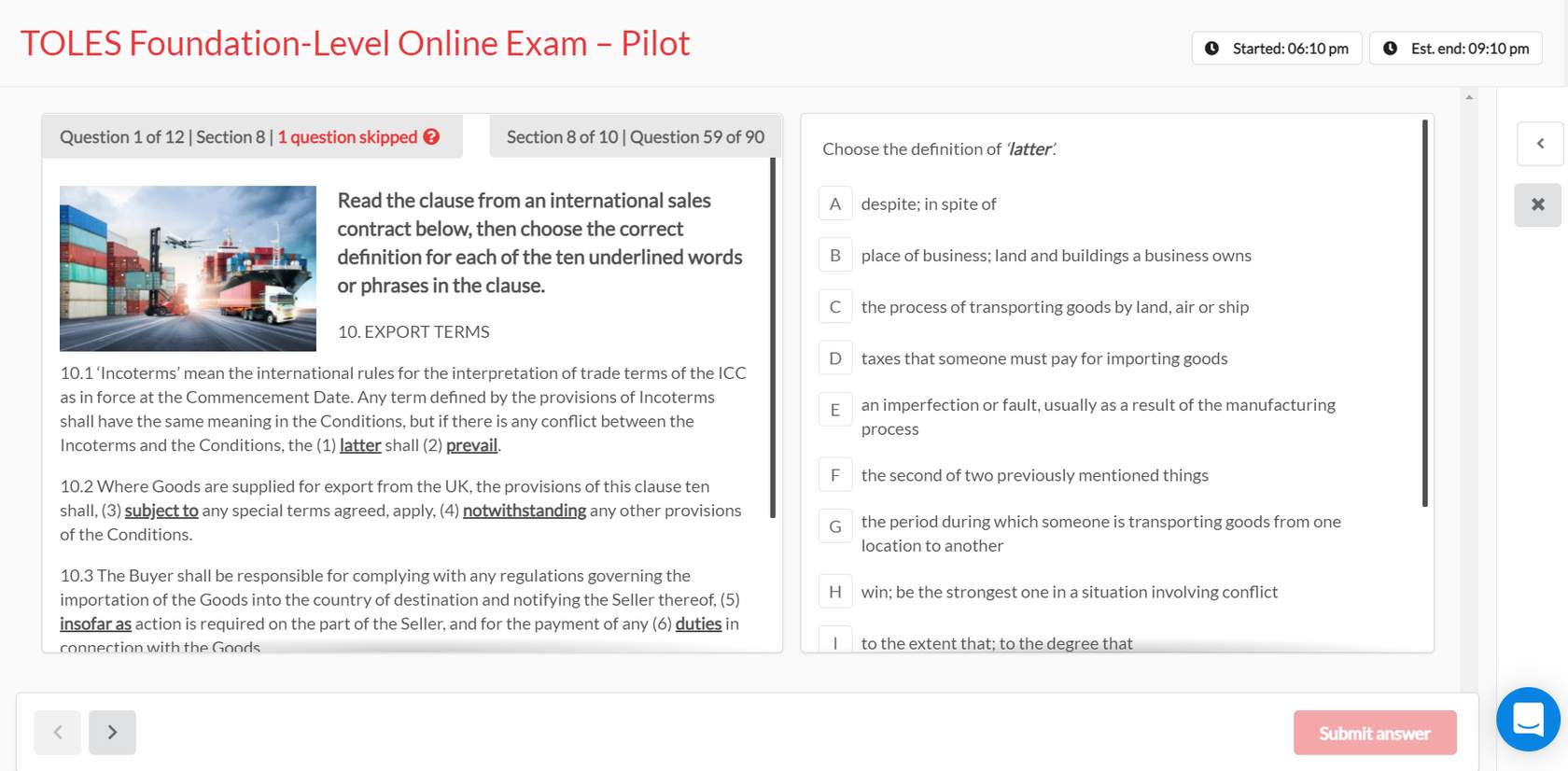
The clause refers first to the Incoterms and then to the Conditions. It says that if there is a conflict, “the latter shall prevail”. What does latter mean?
Show the answer and explanation
Answer: the second of two previously mentioned things. The two things are the Incoterms and the Conditions. The Conditions are mentioned second, so the latter means the Conditions. Shall prevail means that the Conditions take priority if the two sets of rules conflict.
| Word | Meaning | Example |
|---|---|---|
| former | the first of two things already mentioned | The buyer and seller attended; the former arrived first. |
| latter | the second of two things already mentioned | The Incoterms and Conditions conflict; the latter prevail. |
| prevail | take priority or have greater legal effect | If the schedules conflict with the main agreement, the main agreement prevails. |
Section 9: Supply and spell the missing legal term
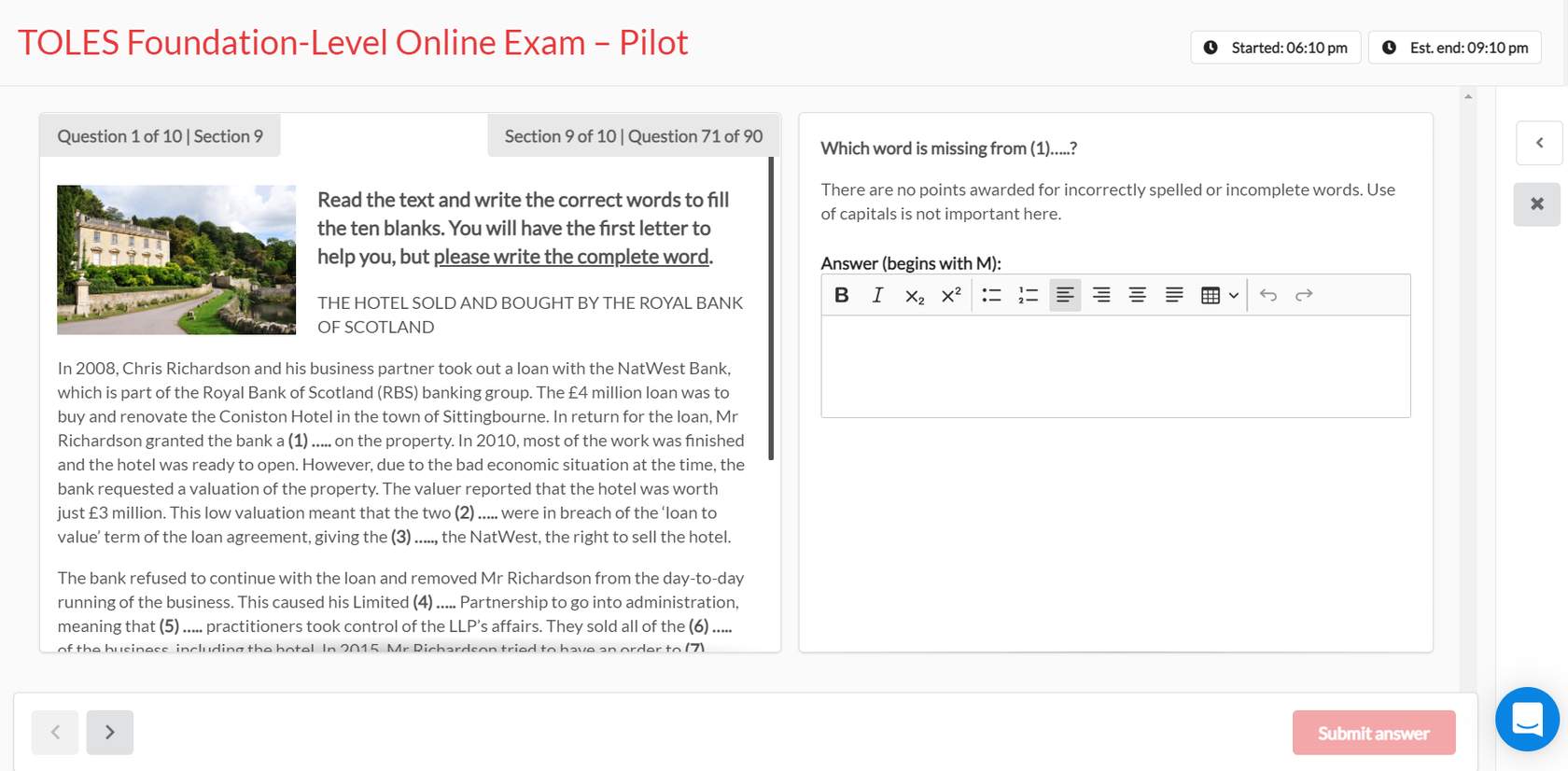
The text says that, in return for a £4 million loan, Mr Richardson granted the bank a word beginning with M over the property. What is the word?
Show the answer and explanation
Answer: mortgage. A mortgage gives the lender security over property in connection with a loan. The word must be complete and correctly spelled: m-o-r-t-g-a-g-e.
Grammar can help you. The text says “granted the bank a _____”, so you know that the missing word should be a singular countable noun.
Section 10: Reading comprehension
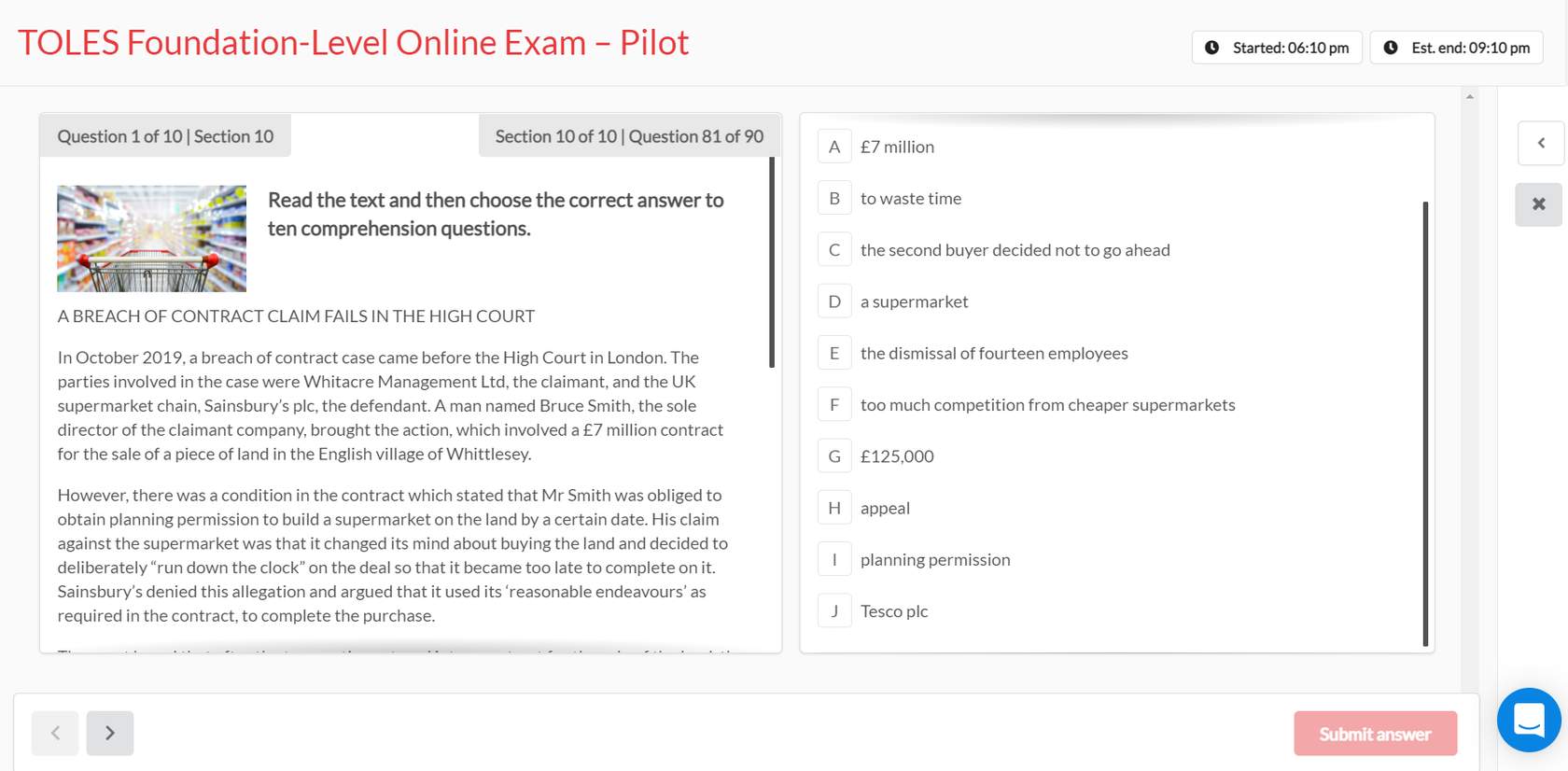
The question asks: “What kind of business does Sainsbury’s run?” Scan the case study for the description of the company.
Show the answer and explanation
Answer: a supermarket. The first paragraph identifies the defendant as “the UK supermarket chain, Sainsbury’s plc”. This directly answers the question.
Reading tip: read the question first, identify the type of information you need, and then scan the text. Here, what kind of business tells you to look for a business type, not the name of another company.
Practical exam tips
- Learn complete collocations. Study party to a contract, assign rights to someone and bear losses as complete units.
- Use grammar clues. Articles, prepositions and sentence structure can show what kind of word is missing.
- Read the question before a long text. This helps you identify what information to scan for.
- Distinguish related legal roles. Pairs such as landlord/tenant and buyer/seller are common exam material.
- Check spelling and conjugations in Section 9. A correct idea with incorrect spelling does not earn the mark.
- Manage your time. Do not let one difficult question prevent you from completing the rest of the exam.
Try the complete demo and continue learning
- Try the official TOLES Foundation demo exam
- Learn about TOLES Foundation, Higher and Advanced
- Check TOLES examination dates and registration
- Read my guide: What is TOLES?
- Compare three ways to test your Legal English level
- Watch the Legal English Level Testing playlist
- Explore Study Legal English courses and resources
How did you do? Did you get 10 out of 10? Which section did you find most challenging? Share your score in the comments below. 🤓